
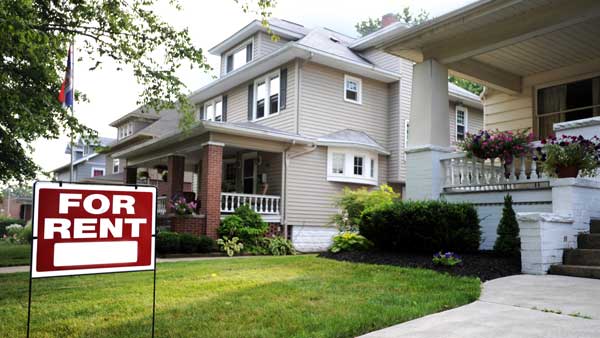
Converting a personal residence to rental property has important tax implications, including depreciation based on the lower of cost or fair market value, special basis rules, and potential limits on loss deductions. Understanding these rules is critical before making the switch.
As we have seen the real estate market fluctuate over the past decade, there have been times when a taxpayer has been unable to sell their personal residence at a price satisfactory to them. A taxpayer may sell their property at a gain and exclude some or all of the gain from their income. Internal Revenue Code Section 121 allows an exclusion of $250,000 ($500,000 on a joint tax return) of any gain on the sale of a personal residence. Therefore, a taxpayer may not be required to include any potential gain on the sale of their personal residence in their income but still not want to sell their personal residence due to a low selling price.
When Should You Convert a Personal Residence to Rental Property?
A homeowner may consider converting a personal residence to rental property when market conditions make selling less attractive, or when they want to generate income while holding the property. However, this decision should be evaluated carefully due to the tax implications involved.
How Depreciation Works When Converting to Rental Property
A taxpayer may also be in a situation that they are selling their personal residence at a loss as the fair market value (or potential selling price) is now less than the original cost of the property. For these reasons, a taxpayer may consider converting their personal residence to rental property. They may assume that they can convert a nondeductible personal loss on the sale of the personal residence to a deductible loss simply by converting the personal residence into rental property. However, there are special basis rules that apply to a conversion that many taxpayers are unaware of.
When a personal residence is converted to business use (or for use in the production of income), its starting point as basis for depreciation is the lower of
- the adjusted basis on the date of conversion, or
- the property’s fair market value (FMV) at the time of conversion
The following examples illustrate how depreciation and basis rules apply in real scenarios.
Example: Depreciation Calculation After Conversion
J purchased a home in Boston in 2004 for $250,000, of which $50,000 represented the cost of the land. J lived in the home until 2008, when he moved to New York. Rather than sell the house, he converted it to a rental property. The property’s FMV, excluding the land, on its conversion to rental property was $185,000. J’s basis for depreciation is $185,000, the FMV at the time of conversion, since it was less than the adjusted basis.
Taxpayers must depreciate the converted property based on the depreciation methods and lives in effect in the year of conversion. The depreciation methods and lives in effect in the year of original purchase are irrelevant. Currently, a personal residence converted to rental property would be depreciated over a 27.5 year life if the property is residential. Nonresidential property would be depreciated over a 39.0 year life.
Another tax nuance related to a conversion of your personal residence to rental property centers around the eventual sale of the property and the potential gain or loss calculation. The basis of the property is calculated differently depending on whether the sale results in a gain or a loss. When the property is sold at a gain the basis is the original cost plus amounts paid for capital improvements, less any depreciation taken. When the property is sold at a loss the starting point for the basis is the lower of the property original cost or the fair market value at the time it was converted from a personal residence to rental property. Keep in mind that you may still be eligible for the $250,000 (or $500,000) gain exclusion if the converted personal residence is rented for three years or less prior to being sold. The exclusion will not however apply to any depreciation previously taken on the converted personal residence.
Example: Gain vs. Loss on Sale After Conversion
Mary converts her personal residence to rental property five years ago. The residence originally cost $ 300,000. Its fair market value was $235,000, when it was converted to a rental property. Over the 5 years $25,000 in depreciation was taken. Mary sold her property for $205,000. This results in a tax loss because the selling price is significantly lower than the fair market value on the conversion date.
- Original Cost: $300,000
- Fair Market Value on Conversion Date: $235,000
- Depreciation Taken: $25,000
- Basis for Tax Loss (Line 2 – Line 3): $210,000
- Basis for Tax Gain (Line 1 – Line 3): $275,000
- Net Sales Price: $205,000
- Tax Loss (Excess of Line 4 over Line 6): $5,000
- Tax Gain (Excess of Line 6 over Line 5): $0
A tax loss of $5,000 results in the above example. The tax loss would only be available to the taxpayer if they can establish that the converted personal residence was permanently converted into income-producing property and was not merely being rented on a temporary basis until being sold.
Tax Consequences of Converting a Personal Residence to Rental Property
Taxpayers need to be aware of the special tax consequences that can apply to the conversion of a personal residence to a rental property. The special basis rules may eliminate what many taxpayers perceive as a potential deductible loss on sale through conversion by creating a basis in the property at the lesser fair market value (or potential selling price) amount. A taxpayer may also lose any potential gain exclusion if the time period of rental exceeds three years or more.
If you are considering converting your personal residence to rental property, it’s important to understand the tax implications before making a decision. LBMC’s tax professionals can help you evaluate your situation, avoid common pitfalls, and identify tax-saving opportunities before making a conversion decision.
Content provided by LBMC tax professional Ben Alexander.
LBMC tax tips are provided as an informational and educational service for clients and friends of the firm. The communication is high-level and should not be considered as legal or tax advice to take any specific action. Individuals should consult with their personal tax or legal advisors before making any tax or legal-related decisions. In addition, the information and data presented are based on sources believed to be reliable, but we do not guarantee their accuracy or completeness. The information is current as of the date indicated and is subject to change without notice.
Converting a Personal Residence to Rental Property FAQs
What happens tax-wise when you convert a personal residence to rental property?
When a personal residence is converted to rental property, it becomes income-producing property for tax purposes. This means you must begin depreciating the property and reporting rental income and expenses. However, special basis rules apply, which can limit deductible losses if the property is later sold.
How is depreciation calculated after converting a home to rental property?
Depreciation is based on the lower of the property’s adjusted cost basis or its fair market value at the time of conversion. Residential rental property is typically depreciated over 27.5 years. This rule is important because it can reduce the amount of depreciation you are allowed to take if property values have declined.
Can you deduct a loss after converting your home to a rental property?
Not always. If the property’s fair market value at the time of conversion is lower than its original cost, that lower value is used to determine loss. This means some losses that would otherwise exist may not be deductible. The IRS applies strict rules to prevent converting personal losses into deductible rental losses.
Do you lose the capital gains exclusion after converting your home to a rental?
You may still qualify for the Section 121 exclusion ($250,000 for single filers or $500,000 for married filing jointly) if you meet ownership and use requirements. However, the exclusion generally only applies if the property is sold within three years of conversion. Depreciation taken after conversion is not eligible for exclusion and will be taxed.
Is converting a home to a rental property a good tax strategy?
It can be beneficial in certain situations, such as generating rental income or holding property until market conditions improve. However, the tax implications are complex, and factors like depreciation, basis adjustments, and future sale treatment should be carefully evaluated before making a decision.